
Updating the Opportunity Housing Ordinance
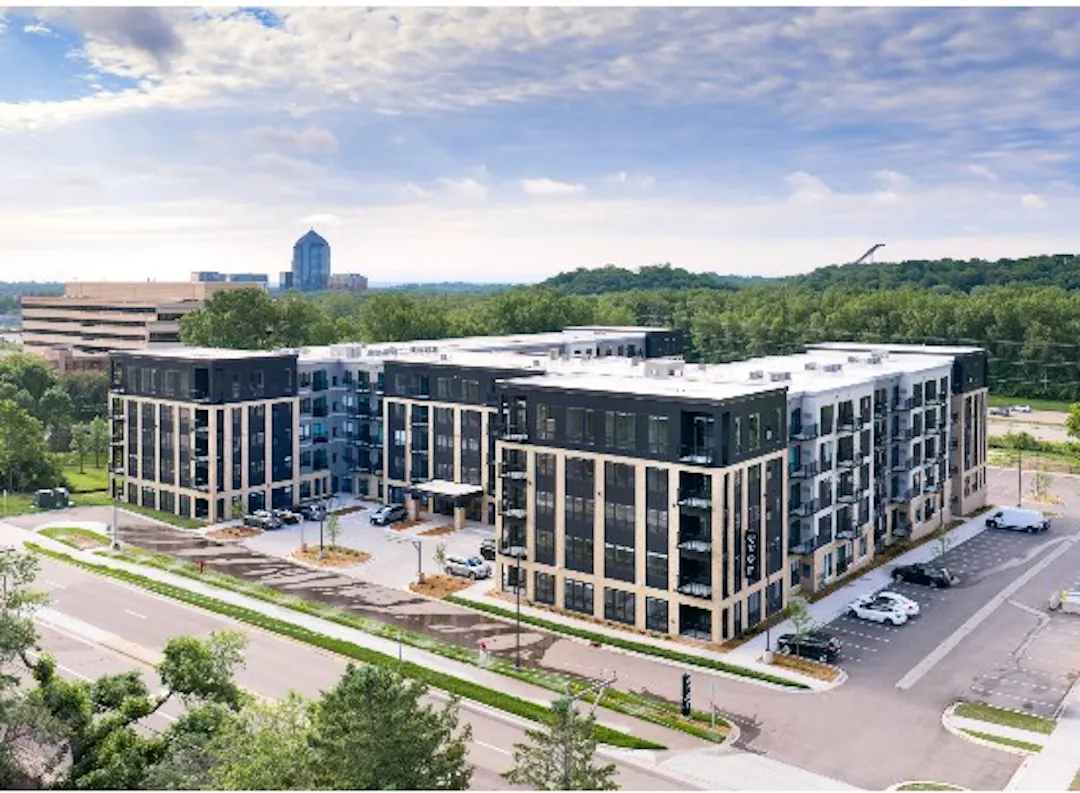
The City of Bloomington aims to provide a wide range of housing options and support a stable, inclusive community. Since 2019, the Opportunity Housing Ordinance (OHO) has contributed to the creation of 621 housing units affordable to households at or below 60% of the area median income (AMI).
Housing market conditions and community needs have shifted significantly in recent years. In 2025, the Housing and Redevelopment Authority (HRA) and Port Authority hired Daedalus Advisory Services and BAE Urban Economics to update Bloomington’s Housing Nexus Study, originally completed in 2018. This study forms the foundation of the OHO. Key findings from the updated study include:
- Bloomington’s economy has changed, but income gains have not been shared equally. Meanwhile, housing supply has lagged behind demand—heightened by the community’s central, desirable location—pushing prices upward and intensifying pressure on residents whose wages have not kept pace.
- Rising construction costs, higher interest rates, flat rental rates, and high investor return expectations have made new housing development more difficult to finance.
- Eighty percent of Bloomington’s 2030 housing production targets are for units affordable at 30–50% AMI. This level of affordability is increasingly challenging to achieve in today’s development environment.
In response to these findings, staff recommend several updates to the OHO to maintain its effectiveness and better align it with the City’s evolving housing goals:
- Adding more compliance tier options to the existing requirement that 9% of units be affordable at 60% AMI
- Clarifying affordability requirements for both rental and ownership housing
- Adjusting the fee-in-lieu rate to reflect inflation
Additional revisions will clean up outdated or confusing language and simplify formatting. The OHO’s building performance and parking reduction incentives are also being updated to align with proposed changes to the Planning and Zoning Code.
Staff have further identified a need for clearer and more consistent technical assistance for developers and property managers. Creating technical assistance materials and reporting templates will streamline the compliance process and establish consistent expectations for developers and property managers.
Ask a question
Visit our developing FAQ section for answers to common questions or ask your question here. Staff will reach out within 3 business days.
-
Phone 952-563-3764 Email rsolberg@bloomingtonmn.gov

Thank you for your contribution!
Help us reach out to more people in the community
Share this with family and friends